

Welcome to My Blog!
Before we dive into the content, if you’re interested in our products or have any questions, please feel free to visit our Contact Us page on the website. Our team is ready to assist you with inquiries, orders, or any support you may need.
Now, let’s get started on our journey together. I hope you find the content here insightful, engaging, and valuable.
Table of Contents
Track hoe excavators are indispensable machines in construction, mining, and landscaping. Their combination of power, versatility, and stability makes them ideal for digging, grading, and material handling. Whether you are a contractor, site manager, or equipment enthusiast, understanding the features, operation, maintenance, and purchasing options of track hoe excavators is crucial. This guide covers everything you need to know, from basic knowledge to brand comparisons, buying tips, and frequently asked questions.
What is a Track Hoe Excavator?

Definition and Basic Function
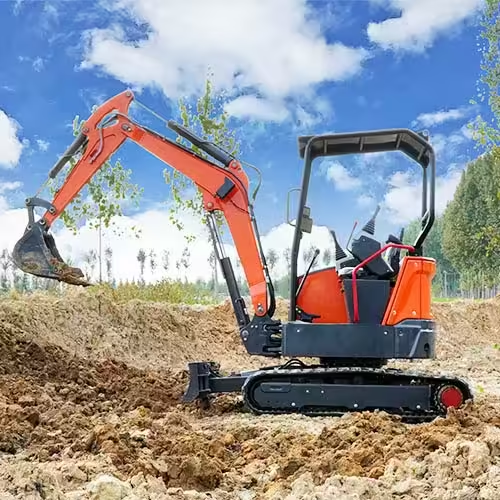
A track hoe excavator, also known as a tracked excavator, is a heavy-duty construction machine mounted on continuous tracks instead of wheels. This track system provides superior stability, allowing the machine to operate efficiently on rough, muddy, or uneven terrain. The core components include the boom, stick, and bucket, which work together to dig, lift, and move materials. Track hoe excavators are versatile and can perform a variety of tasks, from trenching and landscaping to demolition and road construction.
Key Components and Parts
Understanding the main parts of a track hoe excavator is essential for proper operation and maintenance. The major components include:
- Undercarriage: Tracks, rollers, and sprockets that provide mobility and stability.
- House: Contains the engine, hydraulic pump, operator cabin, and counterweight.
- Boom and Stick: Extendable arms that control the bucket for digging and lifting.
- Attachments: Buckets, hammers, grapples, and augers that enhance the machine’s functionality.
Each part must be maintained regularly to ensure the machine performs optimally and safely.
Track Hoe Excavator vs Mini Excavator: Main Differences
While mini excavators are compact and suitable for small spaces, track hoe excavators are larger, more powerful, and capable of heavy-duty tasks. Track hoe excavators offer higher digging capacity, longer reach, and better stability on uneven surfaces. They are often chosen for commercial construction, large-scale landscaping, and road projects, whereas mini excavators are preferred for residential and confined-area work.
How to Operate a Track Hoe Excavator
Step-by-Step Operating Guide for Beginners
Operating a track hoe excavator requires careful training and understanding of the controls:
- Familiarize Yourself with Controls: The joysticks control the boom, stick, and bucket, while foot pedals move the tracks.
- Start Slowly: Begin with small movements to understand the machine’s response.
- Practice Digging: Start with soft soil before moving to rockier terrain.
- Load and Unload Safely: Keep the bucket low when traveling and avoid sudden movements.
Practicing these steps helps reduce accidents and improves efficiency.
Safety Guidelines on the Construction Site
Safety is paramount when operating heavy machinery. Key safety tips include:
- Always wear protective gear, including helmets, gloves, and steel-toed boots.
- Inspect the machine before each use for leaks, loose bolts, or damaged parts.
- Never exceed the machine’s load capacity.
- Avoid working near overhead power lines or unstable surfaces.
- Follow site-specific safety protocols and emergency procedures.
Adhering to safety guidelines protects both the operator and nearby workers.
Tips for Improving Fuel Efficiency and Performance
Track hoe excavators consume significant fuel, but efficiency can be improved by:
- Avoiding prolonged idling.
- Using the right attachment for each task.
- Planning digging sequences to minimize unnecessary movement.
- Performing regular maintenance on the engine and hydraulics.
These steps not only save fuel but also extend the machine’s lifespan.
Track Hoe Excavator Attachments and Uses
Common Attachments and Their Functions
Track hoe excavators can use a variety of attachments to perform specialized tasks:
- Buckets: Standard, trenching, or heavy-duty buckets for digging and moving soil.
- Hydraulic Breakers: For demolition of concrete or rock.
- Grapples: To handle large debris or logs.
- Augers: For drilling holes for posts, trees, or foundations.
Choosing the right attachment ensures maximum efficiency and precision.
How to Choose the Right Attachment for Your Project
Selecting the correct attachment depends on the type of work and site conditions:
- For narrow trenches, use a trenching bucket.
- For demolition or breaking rock, use a hydraulic hammer.
- For material handling, a grapple or clamshell bucket is ideal.
Proper selection improves productivity and reduces wear on the excavator.
Maintenance Tips for Track Hoe Excavators
Daily Maintenance Checklist
Consistent daily maintenance is essential for reliable operation:
- Check hydraulic fluid, engine oil, and coolant levels.
- Inspect tracks for wear or damage.
- Examine attachment pins and bushings.
- Clean the machine after use to prevent dirt buildup.
Routine checks prevent breakdowns and improve safety.
Troubleshooting Common Problems
Common issues include hydraulic leaks, track misalignment, or engine performance drops. Addressing minor problems early avoids costly repairs and downtime. Keeping a log of issues and repairs helps identify recurring problems.
Long-Term Care to Extend Lifespan
For long-term durability:
- Schedule professional inspections periodically.
- Replace worn-out parts promptly.
- Store the machine in a sheltered area when idle.
- Use high-quality lubricants and fuels recommended by the manufacturer.
Proper care can extend a track hoe excavator’s lifespan by many years.
Buying and Renting Track Hoe Excavators
Track Hoe Excavator Price Guide (New vs Used)
Prices vary depending on size, brand, and condition:
- New Machines: Typically $50,000–$200,000+.
- Used Machines: Significantly cheaper, depending on hours and condition.
Understanding market prices helps buyers make informed decisions.
Tips for Buying Used Track Hoe Excavators Safely
When purchasing used equipment:
- Inspect hours, maintenance records, and attachments.
- Check hydraulic systems, engine performance, and track conditions.
- Consider hiring a professional to conduct a pre-purchase inspection.
Safe buying practices prevent unexpected repair costs.
Renting vs Buying: Which Option is Best?
- Renting: Cost-effective for short-term projects or limited use.
- Buying: Ideal for long-term, frequent use; provides flexibility to customize the machine.
The choice depends on project duration, budget, and frequency of use.
Financing and Leasing Options
Many dealers offer financing or leasing plans, making it easier for businesses to acquire track hoe excavators without large upfront costs. Leasing can also include maintenance packages, further reducing operational risk.
Best Track Hoe Excavator Brands and Models

CAT Track Hoe Excavators: Top Models and Features
CAT excavators are known for durability, advanced hydraulics, and operator comfort. Popular models like the CAT 320 and 323 offer excellent digging performance and reliability.
Komatsu Track Hoe Excavators: Performance Review
Komatsu excavators are fuel-efficient, precise, and reliable. Their robust engines and responsive controls make them suitable for heavy construction and earthmoving operations.
Hitachi Track Hoe Excavators: Pros and Cons
Hitachi machines offer smooth hydraulics and excellent digging power. Some users note that parts availability may vary depending on region, so planning for maintenance is important.
John Deere & Volvo Track Hoe Excavators: Buyer Recommendations
John Deere and Volvo excavators are appreciated for comfort, safety, and innovative features. They are ideal for contractors seeking long-lasting machines with advanced technology.
Conclusion
Track hoe excavators are versatile, powerful, and essential in modern construction. Understanding their operation, maintenance, and buying options ensures efficiency, safety, and long-term performance. Whether purchasing, renting, or learning to operate, choosing the right machine and attachments allows contractors and operators to complete projects successfully. Explore trusted brands, evaluate local options, and make informed decisions to get the most out of your track hoe excavator.
FAQ
What is a track hoe excavator?
A track hoe excavator is a heavy construction machine with tracks for mobility and a boom, stick, and bucket for digging, lifting, and moving materials on rough terrain.
How do you operate a track hoe excavator safely?
Follow the operator manual, wear protective gear, inspect the machine before use, and avoid overloading or working on unstable surfaces.
What attachments can be used with a track hoe excavator?
Common attachments include digging buckets, trenching buckets, hydraulic breakers, grapples, and augers for various construction tasks.
Should I buy or rent a track hoe excavator?
Buy for long-term, frequent projects; rent for short-term or occasional use to save costs and reduce maintenance responsibilities.
Which brands of track hoe excavators are most reliable?
CAT, Komatsu, Hitachi, John Deere, and Volvo are widely trusted for durability, performance, and operator comfort.
Looking for expert advice on track hoe excavators? Contact our team now and get personalized recommendations for your next project.
